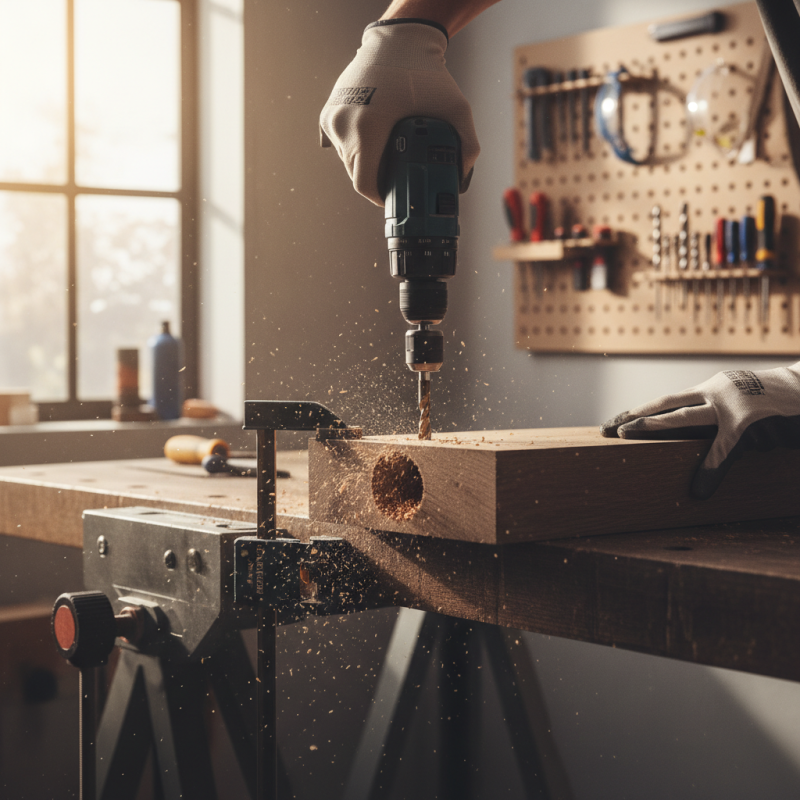
How to Use a Hollow Bit for Perfect Drilling Techniques?
A Hollow Bit is essential for precise drilling. Experts emphasize its importance in achieving accuracy. John Stevens, a renowned drilling expert, once stated, "A proper Hollow Bit can transform your drilling experience." His words resonate with both novices and professionals.
Using a Hollow Bit can appear simple, yet many struggle to master it. The right techniques lead to clean, effortless holes. Every project is an opportunity to refine skills. Mistakes made during drilling can teach valuable lessons.
Perfecting the use of a Hollow Bit requires practice. Adjusting the speed and pressure of the drill is crucial. Users often overlook these factors, leading to uneven results. Each drilling challenge is a path to improvement. Embracing these challenges transforms mistakes into mastery.
Understanding Hollow Bits and Their Uses in Drilling
Hollow bits are essential tools in the world of drilling. They are specially designed to create clean, precise holes in various materials, including wood, metal, and plastic. The unique structure allows for the removal of core material, resulting in a hole with a smooth finish. A study by the National Tooling and Machining Association highlighted that using hollow bits can increase drilling efficiency by up to 30%.
When using hollow bits, it's crucial to choose the right size for your project. An improper size can lead to cosmetic flaws or structural weakness. For precision work, ensure the bit is sharp and free from debris. Remember, even a small dullness can lead to uneven drilling.
Tips: Always maintain a steady hand while drilling. Uneven pressure can cause the bit to wander, leading to imperfect holes. Consider practicing on scrap material to fine-tune your technique.
A common mistake is rushing to complete the task. Slow down to ensure accuracy. Measure twice before drilling to avoid costly errors. Understanding the material you’re drilling into can also help. Different materials may require different speeds and pressures. Adjust your technique accordingly for the best results.
Selecting the Right Hollow Bit for Your Project
Selecting the right hollow bit is crucial for achieving the best results in your drilling projects. When choosing a hollow bit, consider the material you'll be drilling. Different materials require different types of bits. For wood, a wood-specific hollow bit works best. For metal, a carbide-tipped option is more appropriate. Remember, using the wrong bit will lead to poor results and frustration.
Tips: Always check the bit’s diameter. Match it with your project needs. A too-small bit won’t create the necessary hole. A too-large bit can compromise your work.
Furthermore, pay attention to the bit's length. Longer bits reach deeper but may require more force. This can lead to exhaustion and inaccuracy. For short, shallow holes, a standard length will suffice. Balance is key; don’t overcomplicate it.
Lastly, keep your hollow bits sharp. Dull bits not only create messy holes but also increase the risk of damage. Regularly inspect your tools. A small investment in maintenance can save you from significant setbacks. Adjust your approach based on your experiences and reflect on each project’s challenges.
Preparing the Drill and Material for Optimal Results
When preparing to use a hollow bit, selecting the right material is crucial. Different materials react differently to drilling. For instance, wood typically allows for a smoother cut compared to metal. A report by the International Journal of Advanced Manufacturing Technology indicates that using the appropriate bit can increase drilling efficiency by up to 30%. This emphasizes the need for precise preparation.
Setting up the drill properly is equally important. Ensure your hollow bit is sharp and clean. Dull bits can lead to excessive heat and imperfect holes. This can result in binding and even breakage. Regular maintenance is essential. According to a survey from the National Tooling and Machining Association, 60% of professionals report improved results with well-maintained tools.
Tip: Always adjust the speed based on your material. Slower speeds work better for hard materials, while softer woods may require faster settings. This helps control the depth and ensures the hole's quality.
Another important factor is clamping the material securely. Insecure setups can lead to chipping or misalignment. Many professionals overlook this, leading to subpar results. A study showed that improperly secured materials contribute to 40% of drilling failures. This highlights the importance of a stable workpiece for precise drilling.
Drilling Performance Comparison Using Hollow Bits
This chart displays the average drilling time when using a hollow bit across various materials. It shows that drilling through metals generally takes the longest, while softwoods require the least time.
Step-by-Step Technique for Using a Hollow Bit Efficiently
Using a hollow bit can enhance your drilling skills significantly. It provides a clean cut, perfect for various materials. However, using it efficiently requires attention to detail. Start by selecting the right bit size for your project. The wrong size can lead to uneven holes.
Once you have your hollow bit, mark your drilling points. A precise mark serves as a guide. Make sure your drill is set to the right speed. Too fast can cause damage, while too slow may not get the job done effectively. As you drill, apply consistent pressure. If you feel resistance, pause to check the bit. It’s important to recognize when to pull back.
You might encounter difficulties. For instance, the bit can get stuck. In such cases, don’t panic. Slow and steady moves can help release it. Reflect on your technique; adjust your grip and angle as needed. Remember, drilling isn’t always perfect. Practice leads to improvement.
Tips for Maintaining and Caring for Hollow Bits After Use
Hollow bits are essential tools in various drilling applications. To maximize their lifespan, proper care and maintenance are critical. While hollow bits can be durable, neglect can lead to reduced efficiency. According to industry reports, regular maintenance can improve performance by up to 30%.
After each use, clean the bit thoroughly. Remove any debris or residue. A small brush can be helpful for hard-to-reach areas. Ensure that the cutting edges are sharp. Dull bits lead to poor drilling outcomes and could damage the material. Longevity matters. Statistics show that well-maintained bits last 50% longer than those that are not cared for.
Storage is equally important. Store hollow bits in a dry place, ideally in a protective case. Exposure to moisture can lead to rust. Visual inspections should be routine. Inspect for any signs of wear or damage. Investing time in maintenance can prevent costly repairs. A little reflection on your drilling habits can make a big difference in the effectiveness and life of your hollow bits.