Top Glass Jar Sealing Lids for Global Buyers in 2026?
In the evolving market of packaging solutions, Glass Jar Sealing Lids stand out as a crucial component for product preservation. Industry expert Dr. Emily Chen notes, “The right sealing lid can significantly extend the shelf life of various food products.” This insight highlights the importance of quality in the Glass Jar Sealing Lids market.
As global consumers become increasingly health-conscious, packaging plays a pivotal role. Glass Jar Sealing Lids not only ensure freshness but also appeal to environmentally aware buyers. Many brands are shifting towards sustainable materials and innovative designs to meet these demands. Yet, the challenge remains to balance functionality and aesthetic appeal, which is often overlooked.
There's a noticeable competition in the Glass Jar Sealing Lids industry. Manufacturers must reflect on their strategies to stay relevant. Some companies struggle with quality control and fail to meet consumer expectations. Understanding market needs and consumer preferences is essential for long-term success. In a rapidly changing landscape, continuous improvement and adaptation are vital.

Top Trends in Glass Jar Sealing Lids for 2026: A Market Overview
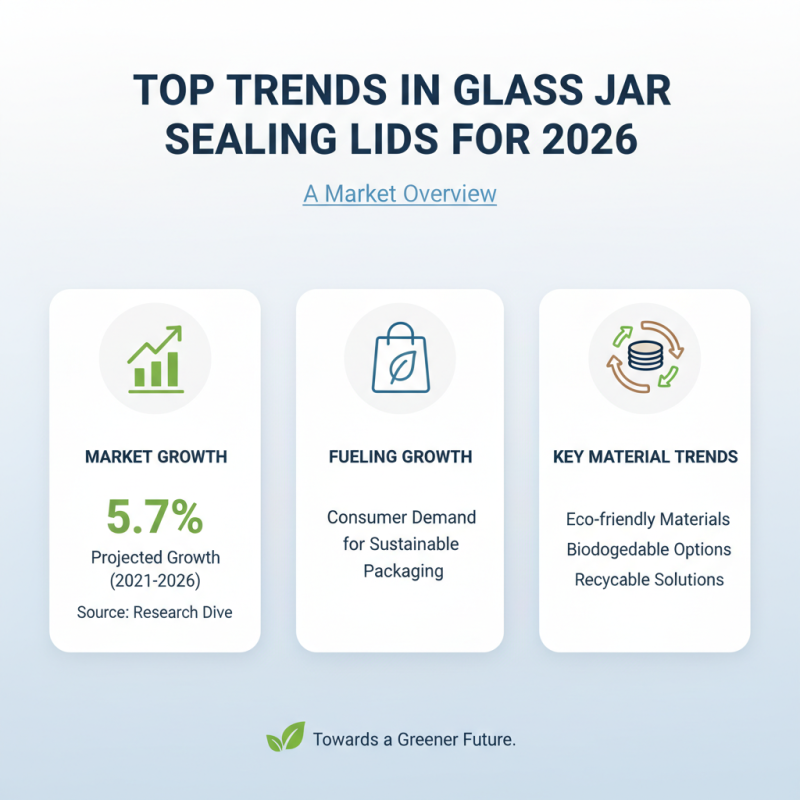
The glass jar sealing lids market is evolving rapidly. According to a recent market analysis by Research Dive, the global glass jar lids segment is projected to grow by 5.7% from 2021 to 2026. This growth is fueled by increasing consumer demand for sustainable packaging solutions. Eco-friendly materials are becoming a significant trend in this industry. Many manufacturers are shifting towards biodegradable and recyclable options for their sealing lids.
Moreover, the convenience of use remains a priority for consumers. Many are looking for lids that provide a secure seal but are also easy to open. This demand has led to innovations in design. Some new lids feature specialized grips or easy-twist technology, catering to a broader audience. However, the challenge lies in balancing ease of use with airtight seals, which can sometimes fall short of expectations.
Customization is also gaining traction. Customers want lids in various sizes and colors to match their jars. However, not every manufacturer can meet this demand efficiently. Quality control remains a crucial concern, as subpar lids can lead to spoilage. The industry's ability to adapt while ensuring product reliability will shape its future.
Global Market Demand for Glass Jar Sealing Lids: Key Statistics and Projections
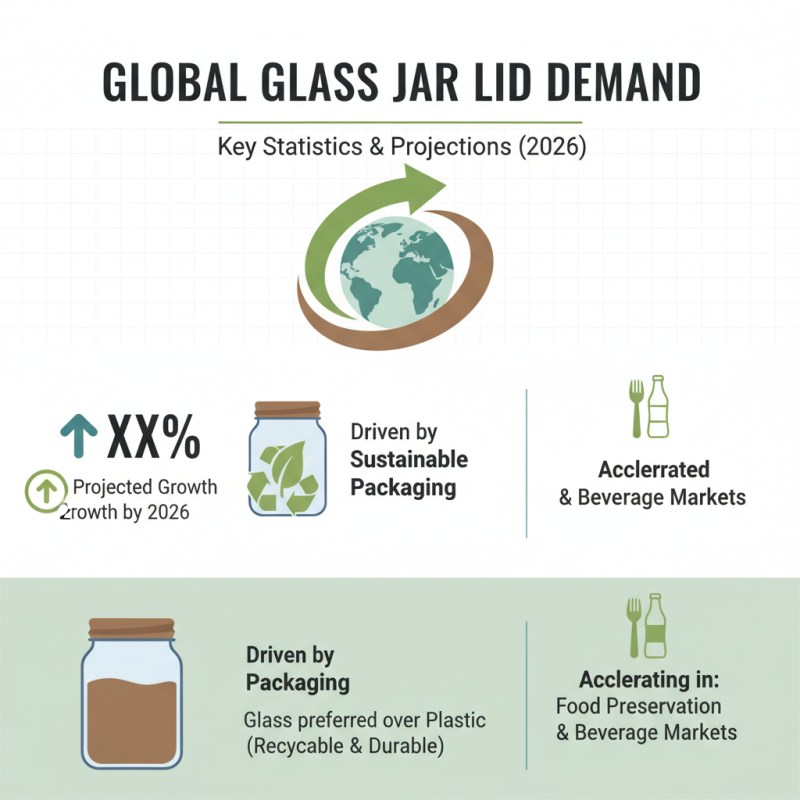
The global demand for glass jar sealing lids is projected to grow significantly by 2026. This rise is driven by the increasing popularity of sustainable packaging solutions. Many consumers prefer glass over plastic due to its recyclability and durability. Industry experts have noted this trend's acceleration, especially in food preservation and beverage markets.
The statistics indicate a potential market expansion of nearly 10% compound annual growth rate (CAGR). More businesses are focusing on innovation and design in sealing lids, enhancing user experience. This shift reflects a broader transition towards environmentally friendly practices. Consumers are becoming more conscious of the products they purchase. Thus, businesses must adapt to these changing preferences.
Tips: When selecting glass jar sealing lids, consider compatibility with various jar sizes. Prioritize lids that offer airtight seals to ensure food safety. Experimenting with different lid types could enhance your product offerings and meet diverse consumer needs. Ensure you regularly evaluate consumer feedback, adapting your products accordingly. Keeping up with market preferences is essential for long-term success.
Innovative Materials and Technologies in Glass Jar Lids: Industry Insights
In 2026, glass jar sealing lids will undergo significant advancements. Innovative materials play a crucial role. Consumers increasingly demand eco-friendly options. Biodegradable plastics and recycled materials are becoming popular. These options not only reduce waste but also offer strong durability. Manufacturers are now exploring these alternatives.
Recent technologies enhance the sealing process. Intelligent sealing lids, for example, use sensors to ensure freshness. The lid can indicate if a jar is properly sealed. This ensures product safety and quality. The integration of smart technology is a game changer. It adds convenience for everyday users.
Some challenges remain. Developing cost-effective, sustainable options is difficult. Not all consumers are aware of the benefits of new materials. Education is essential to drive acceptance. Companies must invest in outreach and marketing. The balance between cost and quality will continue to be a topic of discussion. Embracing change requires ongoing effort.
Top Glass Jar Sealing Lids for Global Buyers in 2026
| Material Type |
Sealing Technology |
Market Trend |
Key Benefits |
Projected Growth (%) |
| Borosilicate Glass |
Vacuum Sealing |
Increasing demand for eco-friendly solutions |
Durability & heat resistance |
15% |
| Plastic Composite |
Screw-on |
Growing versatility and customization |
Lightweight & cost-effective |
10% |
| Silicone |
Snap-on |
Emerging trend in reusable packaging |
Flexibility & multiple use cases |
12% |
| Metal |
Twist-off |
Stable demand in food and beverage industries |
Rust resistance & long shelf life |
8% |
| Glass with Coating |
Heat Sealing |
Innovations in thermal insulation |
Enhanced flavor preservation |
20% |
Environmental Impact of Glass Jar Sealing Lids: Sustainability Trends in 2026
The environmental impact of glass jar sealing lids is increasingly critical. As consumers demand sustainable solutions, industry reports show that the global market for eco-friendly packaging is projected to reach $500 billion by 2026. This growth reflects a shift toward environmentally conscious products. Glass jar lids, being reusable and recyclable, align with the zero-waste movement.
However, challenges remain. The production process for glass lids is energy-intensive. It contributes significantly to greenhouse gas emissions. According to a recent study, manufacturing glass produces 1.2 kg of carbon dioxide per kg of glass. This raises questions about the true sustainability of glass compared to alternatives like metal or biodegradable materials. Many manufacturers are exploring innovations to reduce energy consumption, yet progress is slow.
Shifting consumer preferences also have implications. Many buyers prioritize functionality over sustainability. A survey indicated that 70% of consumers prefer durable products, even if they are less environmentally friendly. This presents a dilemma for producers striving to balance performance and eco-friendly practices. Addressing these factors is essential for a truly sustainable future in glass jar sealing lids. More transparent conversations about manufacturing impacts and consumer responsibilities could guide the industry in 2026 and beyond.
Key Players and Competitive Landscape in the Glass Jar Lid Market in 2026
The glass jar lid market is evolving rapidly, shaped by consumer demands and innovation. In 2026, the competitive landscape will be characterized by several key players, driven by growing interest in sustainable packaging. According to industry reports, the market is projected to grow at a CAGR of 5.2% from 2023 to 2026. This growth reflects changing consumer preferences towards eco-friendly products.
Various manufacturers are adapting their strategies. Many focus on using recycled materials for their lids. This move aligns with global sustainability goals. Market leaders are exploring advanced sealing technologies that improve product longevity. A recent analysis highlighted that 65% of consumers prioritize durable sealing in their purchasing decisions.
Despite these advancements, challenges remain. Cost-effective production of high-quality lids continues to be a concern. Smaller manufacturers may struggle to compete against established brands. Additionally, ensuring proper quality control is crucial. Flaws in sealing mechanisms can lead to product spoilage. Therefore, companies must invest in robust testing processes to maintain consumer trust. Reflecting on these dynamics will be essential for navigating the future of the glass jar lid market.
Market Share of Key Players in the Glass Jar Lid Market in 2026