How to Choose the Best Glass Screw Caps for Your Needs?
Choosing the right Glass Screw Caps is crucial for various applications, from food preservation to chemical storage. According to a recent report by Packaging Strategies, the global demand for glass packaging, including screw caps, is expected to grow by 5% annually. This rise highlights the importance of selecting the right closure for ensuring safety and product integrity.
Industry expert Dr. Maria Benson emphasizes, “The choice of glass screw caps significantly impacts the shelf life and quality of the product.” Different materials and designs serve specific purposes. For example, some caps feature liners that provide airtight seals, while others cater to ease of removal. Evaluating these features can prevent potential mishaps, such as contamination or spoilage.
However, many consumers overlook the details that matter. The aesthetic appeal of a cap should not overshadow its functionality. You might be tempted to choose based solely on appearance, but practical considerations are vital. Choosing the wrong Glass Screw Caps could lead to inadequate protection for your products. Reflecting on this aspect can enhance your understanding of packaging efficiency.
Understanding Glass Screw Cap Materials: Types and Durability
When selecting glass screw caps, understanding materials is crucial. Glass caps offer superior durability and airtight seals. This quality is essential for preserving the freshness of contents. Research indicates that glass containers can maintain product integrity up to 30% longer than plastic alternatives. This makes them appealing for both commercial and personal use.
The types of glass used vary widely. Borosilicate glass is known for its thermal resistance, ideal for hot-fill applications. Soda-lime glass, on the other hand, is more affordable and suitable for general uses. Regular testing shows that borosilicate glass can withstand temperature changes without cracking, enhancing its reliability. However, it can be more expensive and less widely available.
In practice, the choice of glass cap material can affect user experience. Some find that heavier caps can be cumbersome. Additionally, they may not always fit heterogeneous bottle neck designs. Testing reveals that a tighter fit is crucial for maintaining the benefits of glass. If the cap doesn't fit well, the advantages are diminished. Reflection on these factors is necessary for optimal choice.
Evaluating the Best Sealants: Ensuring Freshness and Protection
When selecting glass screw caps, focus on sealants that offer optimal freshness. A good sealant prevents air and moisture from entering. This is essential for maintaining the quality of your products. Look for sealants that provide a tight fit. Inadequate sealing can lead to spoilage, which can be costly.
Test different sealant materials. Silicone or rubber gaskets can create a better barrier. They help maintain the integrity of the contents inside. Additionally, consider the cap's threading. Poorly designed threads may not secure the cap tightly. This oversight could impact freshness negatively, leading to wasted resources.
Remember, not all solutions are perfect. Some caps might become brittle over time. Evaluate how often you need to replace them. It's crucial to find the right balance between durability and usability. The goal is to protect what's inside while ensuring ease of use. Don't overlook your storage conditions, as they affect sealant performance too. Being mindful of these details can make a significant difference in preserving the life of your contents.
How to Choose the Best Glass Screw Caps for Your Needs? - Evaluating the Best Sealants: Ensuring Freshness and Protection
| Feature |
Description |
Importance |
Best Use Cases |
| Material |
Types of glass used in screw caps (e.g., borosilicate, soda-lime) |
Durability and chemical resistance |
Food storage, laboratory use |
| Seal Type |
Different types of seals (e.g., rubber gaskets, silicone seals) |
Leak prevention and freshness |
Beverages, syrups |
| Size Compatibility |
Cap sizes that fit different bottle necks |
Versatility in use |
Custom containers, home brewing |
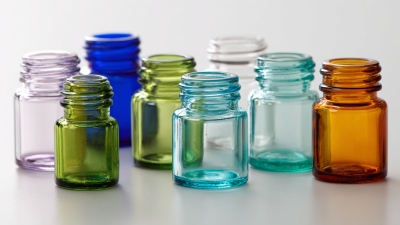
| Color |
Colored or clear options for visibility |
Branding and content visibility |
Retail packaging, home organization |
| Price Range |
Cost variation per unit |
Budget considerations |
Bulk purchases, cost-effective storage |
Sizing and Compatibility: Matching Caps with Your Containers
When selecting glass screw caps, sizing and compatibility are crucial factors. The right cap ensures an airtight seal, preserving the contents of your containers. According to industry data, improper cap sizes can lead to a 30% increase in spoilage. This emphasizes the importance of matching caps with container dimensions.
It's essential to measure the diameter of the bottle neck accurately. This measurement dictates the size of the screw cap needed. A cap too large will not seal properly. A cap too small will easily come off. Manufacturers often provide specifications, but it's wise to double-check. Many overlook this important step, resulting in lost product and revenue.
Tip: Consider the material of the cap as well. Some glass containers require chemical-resistant caps, especially for sensitive solutions. Also, test various cap designs to see which seals best. Trade reports suggest that nearly 25% of users face leakage issues due to compatibility mismatches. Learning from these challenges can improve your sealing outcomes.
How to Choose the Best Glass Screw Caps for Your Needs?
This chart illustrates the compatibility of various glass screw caps with different container sizes and types. The data reflects the most common diameters of glass screw caps available in the market as well as their compatibility with standard container types.
Assessing Cost vs. Quality: Finding the Right Price Point
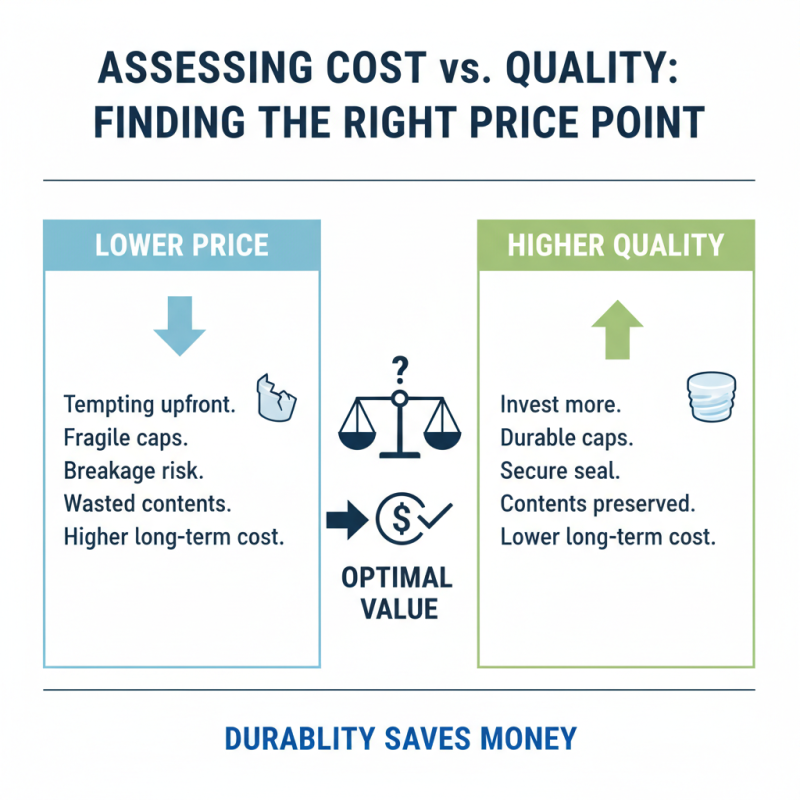
When exploring glass screw caps, cost and quality become essential factors. Many consumers face a dilemma: should they invest more for higher quality? Lower-priced options may seem tempting, but they can lead to issues later. Fragile caps may break, leading to wasted contents. Durable options might cost more upfront but can save money in the long run.
The decision-making process often feels overwhelming. Some people overlook the material used. Not all glass is created equal. Thicker glass typically offers better protection. Additionally, consider the seal quality. A tighter seal prevents spills and oxidation. If you choose wisely, you’ll find options that balance functionality and style.
Budget constraints can impact choices. You might want to save but end up compromising on quality. This situation often leaves customers unhappy. Reflecting on past experiences can guide future purchases. Sometimes, it’s worth spending a bit more for peace of mind. Ultimately, the right decision comes from understanding your specific needs and finding that perfect balance between cost and quality.
Eco-Friendly Options: Sustainable Materials and Their Impact
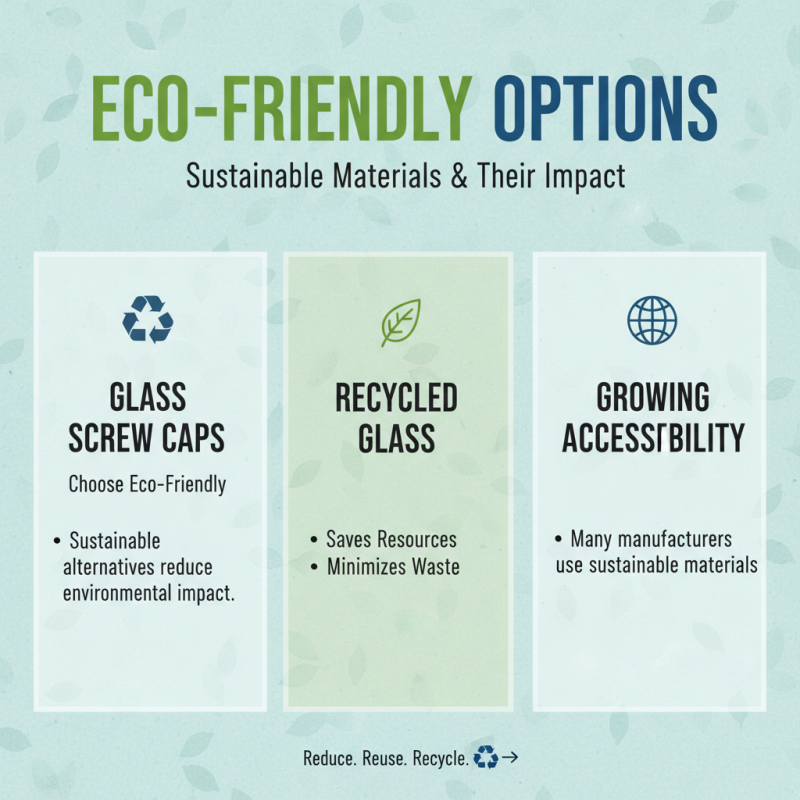
When choosing glass screw caps, consider eco-friendly options. Sustainable materials are becoming more accessible. These alternatives can significantly reduce environmental impact. For instance, many manufacturers use recycled glass. This choice not only saves resources but also minimizes waste.
Another great option is biodegradable plastics. They break down naturally, leaving no harmful traces. However, some may question their durability compared to traditional materials. It's a valid concern. Still, advances in technology are improving their performance. Remember to evaluate how these choices align with your needs.
It's also essential to think about the source of these materials. Transparency in production is vital. Some sustainable options may come from companies that claim eco-friendliness but are not transparent. Check for certifications that guarantee environmental responsibility. This way, you can make informed decisions for both you and the planet.