How to Choose the Best Clear Glass Caps for Your Needs?
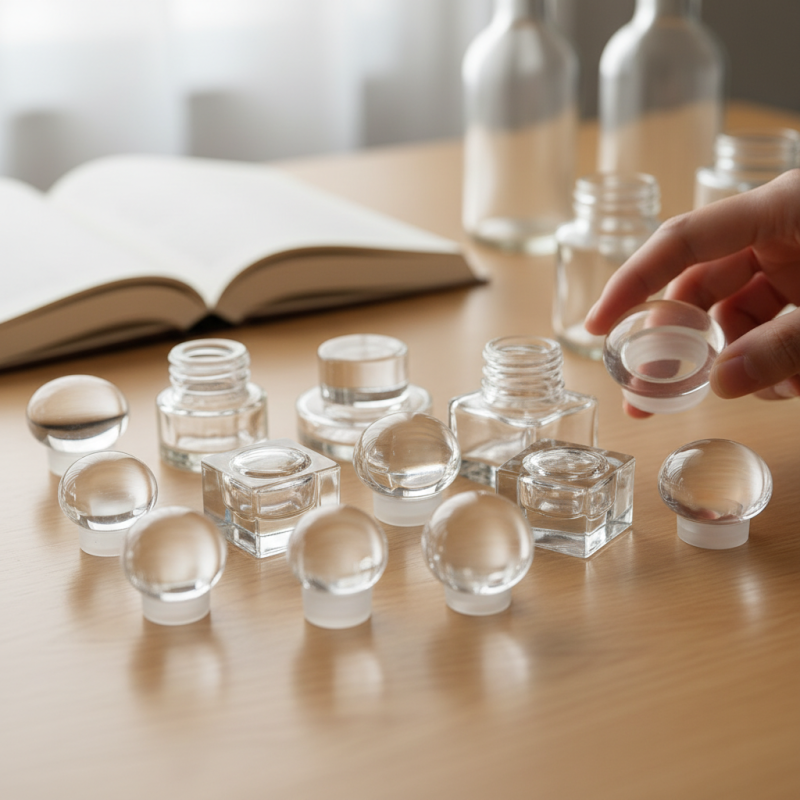
When selecting the best Clear Glass Caps, clarity and functionality are essential aspects to consider. These caps come in various sizes and designs, catering to different needs. The right choice can enhance both the aesthetics and usability of your containers.
Many factors may confuse your decision. For instance, the thickness and finish of the clear glass can affect durability. You may also face dilemmas about the shape or style that best suits your products. Not all caps are created equal, and not every option will work for your specific needs.
Selecting Clear Glass Caps requires careful thought. It's essential to balance beauty and practicality. Think about your intended use and whether the caps will enhance the unboxing experience. Sometimes, the simplest design might not be the most effective. Reflecting on these details can lead to a choice that truly meets your needs.
Understanding Different Types of Clear Glass Caps Available on the Market
When choosing clear glass caps, it’s essential to understand the various types available. Clear glass caps are commonly used in diverse industries, including cosmetics, pharmaceuticals, and food. Each type serves a specific purpose, catering to different consumer needs. According to a recent market report, the demand for clear glass caps is projected to grow by 5.2% annually through 2028. This growth indicates a shift toward sustainable packaging solutions.
There are several types of clear glass caps to consider: screw tops, dropper lids, and corks. Screw tops offer a tight seal, ideal for liquid products. Dropper lids are perfect for precision dispensing. Corks provide a classic touch, often used in artisanal beverages. Evaluating these options ensures that your choice aligns with the product’s nature.
**Tips:** Ensure the cap material is compatible with your product. Test for leaks to ensure reliability. The design should reflect your brand's identity to stand out in the market. Consider customizing your caps to enhance usability while keeping production costs manageable.
Assessing the Size and Fit of Clear Glass Caps for Your Containers
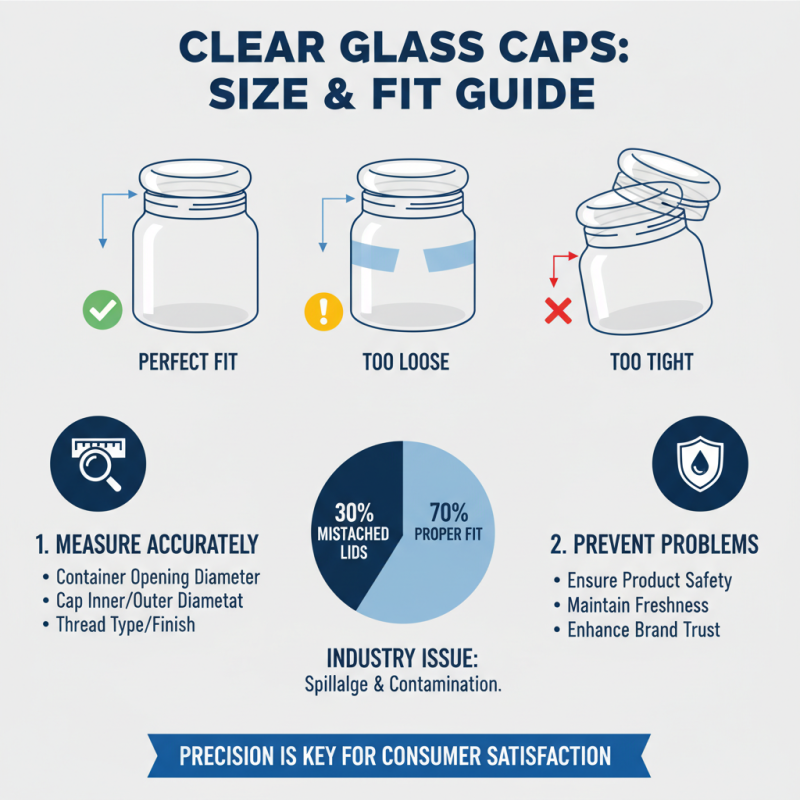
Choosing the right clear glass caps for your containers starts with assessing size and fit. Accurate measurements are key. A mismatched cap can lead to spillage or contamination. According to industry reports, nearly 30% of consumers face issues with improperly fitting lids. This highlights the need for precision when selecting caps.
Consider the dimensions of your container's opening. A diameter that's too wide may allow air to enter, compromising contents. Many professionals recommend a gap of no more than 1mm between the cap and the container. For instance, if a jar has a 70mm opening, the cap should ideally measure 69-70mm precisely. It’s critical to check product specifications before purchase.
Also, assess the material. Clear glass caps may vary in thickness and weight. A heavier cap offers more security, while a lighter one may be less effective against accidental spills. Yet, durability can be an issue. Some options may chip or crack easily, leading to frequent replacements. Maintaining a balance between aesthetics and functionality is essential when making a decision.
Evaluating Durability and Quality Factors in Clear Glass Caps
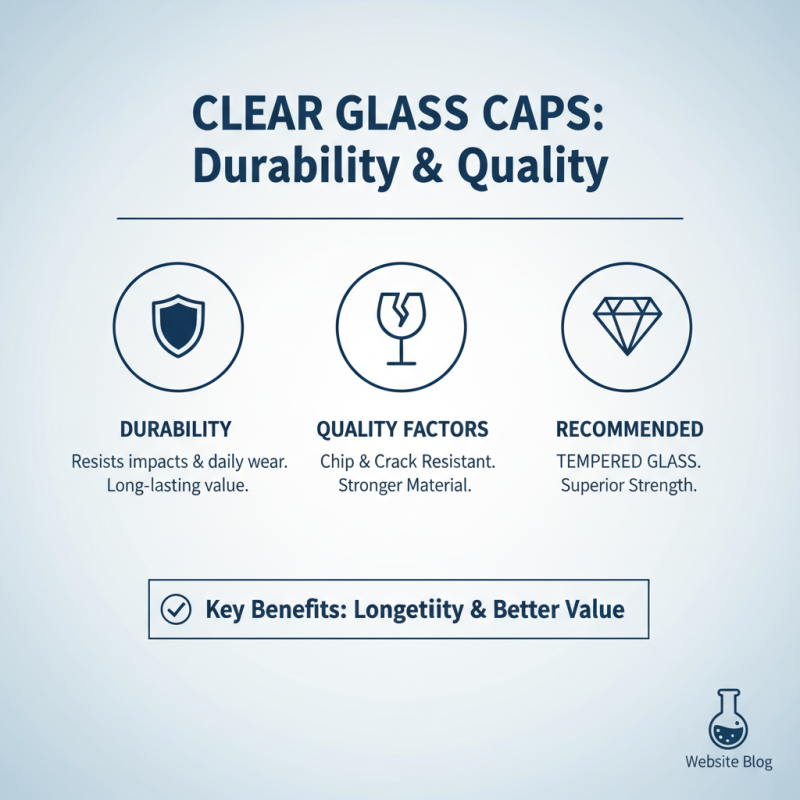
When choosing clear glass caps, durability and quality are key factors. Durability refers to how well the glass can withstand daily use and potential impacts. High-quality caps should resist chipping and cracking. Look for options made from tempered glass, which tends to be stronger. Many users find glass caps that meet these criteria last longer, providing better value over time.
Quality involves both the material and the manufacturing process. Crystal clear glass offers a more appealing aesthetic. Check transparency levels; high clarity can enhance your product’s presentation. Additionally, inspect the edges of the caps. Smooth and polished edges are safer and more visually appealing. It's worth mentioning that sometimes, cheaper options might appear attractive but can lead to disappointment.
Consider also how the caps will be used. Will they be exposed to extreme temperatures? If so, heat-resistant glass is essential. Some may forget this crucial aspect during their selection process. Remember, a beautiful cap that shatters easily is not practical. Investing time in finding durable, high-quality glass caps pays off in the long run.
Considerations for Aesthetic Appeal and Design of Glass Caps
Choosing clear glass caps involves more than functionality. Aesthetic appeal is crucial when integrating them into your living space. These caps can enhance the beauty of your surroundings if chosen wisely. Consider the setting where you’ll use these caps. Are they part of a modern kitchen or a rustic dining area? Matching the design with your space can create a harmonious look.
Tip: Pay attention to the shape of the glass caps. Round shapes can create a soft appearance, while angular designs offer a modern touch. This choice affects the overall vibe of the space. Textures can also add character. Smooth glass feels sleek, while frosted options provide warmth and intimacy.
Understanding the color scheme is vital. Clear glass is versatile. However, slight tints can offer a unique twist. A subtle blue or green hue can bring freshness to your decor. They should complement, not clash with, existing colors.
Tip: Experiment with arrangements. Grouping different sizes can create visual interest. Reflect on your choices often. Not every cap will work in every space. It’s about finding the right balance and not settling for ordinary.
Analyzing Cost-Effectiveness and Budget for Clear Glass Caps Purchases
Choosing clear glass caps involves careful consideration of your budget
and cost-effectiveness. It’s essential to understand the price range of these products.
Higher quality often comes at a premium, but it can offer significant durability. For instance,
investing in thicker glass can reduce the risk of breaks, which saves replacement costs over time.
Tips: Assess your usage frequency. If you use the caps daily,
a slight increase in budget could lead to greater savings in the long run. Research online
retailers for competitive pricing. Don't hesitate to check reviews for better context regarding
product longevity.
When examining your budget, account for the total cost of ownership.
This includes initial purchase price plus potential replacements. Cheaper options may look attractive
but could lead to higher long-term expenses. Be aware of hidden costs, such as shipping or handling fees.
Tips: Create a spreadsheet with potential costs. Include various options and their features. This will give
you clarity when making a decision. Seek recommendations from trusted sources. Community feedback can
often highlight which products really deliver on their promises.