How to Choose the Best Essential Oil Dropper Caps for Your Needs
Choosing the right essential oil dropper caps can significantly impact your oil experience. According to a recent report by the Essential Oil Association, over 70% of consumers overlook this crucial aspect. Proper dropper caps ensure precise dispensing and preserve the quality of essential oils. Dr. Emily Hargrove, a leading expert in aromatherapy, states, “High-quality dropper caps are essential for maximizing the benefits of essential oils.”
Many consumers hesitate when it comes to selecting essential oil dropper caps. Factors like material, size, and design can influence usability and effectiveness. For instance, glass droppers offer better protection against UV light, while plastic might be more convenient. Yet, some users worry about potential leaching of chemicals from plastic materials. This concern urges us to choose thoughtfully.
In summary, making an informed decision on essential oil dropper caps requires careful consideration. Understand your needs and the implications of each option. Remember, the quality of your essential oils depends not just on the oil itself, but also on how you store and dispense it. Making the right choice can enhance your overall experience.
Understanding the Importance of Essential Oil Dropper Caps
Choosing the right essential oil dropper caps is crucial for both safety and functionality. These caps play a vital role in controlling the flow of liquid. A well-designed dropper allows precise dispensing, reducing waste and enhancing user experience. Different oils have varying viscosities, so the dropper cap must match the specific oil being used. Noticing these details can enhance your aromatherapy practice.
The material of the dropper cap also matters. Some materials are more durable than others. Glass dropper caps might be more reliable for sensitive oils, but plastic options can be lightweight and convenient. However, not all plastics are safe with every essential oil. It can be disappointing to discover that a chosen cap isn't compatible after purchase. Therefore, understanding the compatibility is essential. This diligence can prevent issues down the line.
Commitment to quality is key when selecting dropper caps. Cheap alternatives may seem tempting, but they often lead to problems. They can break easily or compromise the integrity of the oils. Researching options and reading reviews can provide valuable insights. It's necessary to consider both function and aesthetic. Even a simple detail like the design of the dropper can affect performance and ease of use.
Essential Oil Dropper Caps Preferences
Types of Essential Oil Dropper Caps and Their Features
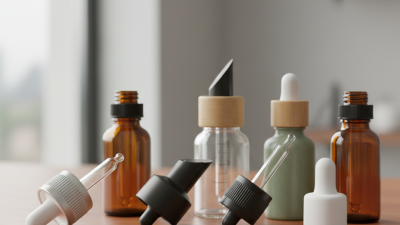
When selecting essential oil dropper caps, understanding the various types available is crucial. The most common types include glass droppers, plastic droppers, and orifice reducers. Glass droppers are favored for their airtight seal and durability. They help maintain the integrity of the oil, preventing oxidation. According to market research, the global demand for glass dropper caps is projected to grow by 5% annually, reflecting their popularity in aromatherapy.
Plastic droppers, while often more affordable, can sometimes leach chemicals into oils. This may lead to compromised quality. Orifice reducers are designed to control flow and limit the amount of oil dispensed, making them ideal for potent essential oils. They not only improve user experience but also prevent waste. Recent studies indicate that effective dispensing can minimize oil consumption by up to 30%.
Tips: Always choose dropper caps that fit your bottle neck securely. Measure before purchasing. Consider your usage frequency. A cap that prevents spills can save oil. Reflect on these choices to avoid costly mistakes in the long run.
Factors to Consider When Choosing Dropper Caps for Essential Oils
Choosing the right dropper caps for essential oils involves careful consideration of several factors. One key aspect is the material used in dropper caps. Many professionals recommend using high-quality options such as glass or certain plastics that are free from harmful chemicals. Research indicates that about 20% of consumers have reported issues with cheap plastic caps that can leach undesirable substances into oils.
Another important consideration is the dropper’s design. A precise dropper allows for better control over the amount of oil dispensed. According to a study by the Essential Oil Association, up to 30% of users prefer droppers that are designed for ease and accuracy. Some designs also feature a child-resistant mechanism, which is essential for safety, especially in households with children. However, not all designs offer this feature, leading to potential hazards that consumers should be aware of.
Additionally, the size of the dropper cap can impact usability. While standard sizes may seem convenient, they don't always fit all bottles effectively. The American Essential Oil Council noted that over 15% of users faced difficulties when matching caps to bottles. This mismatched pairing can result in spills or contamination, underscoring the importance of choosing compatible sizes. Each detail matters.
How to Ensure Compatibility with Your Essential Oil Bottles
When selecting essential oil dropper caps,
compatibility with your bottles is crucial. Ensure that the dropper cap fits snugly
on the bottle neck. A loose cap might lead to spills or contamination. Most bottles
have a standard size, but variations exist. Measure the neck of your bottle
before purchasing a dropper cap.
Consider the dropper's material as well. Glass
dropper caps offer durability and a pure experience. However, plastic options
can be lighter and less prone to breakage. Some plastic materials may not be suitable
for all oils. Testing compatibility with a small amount of oil is a wise approach.
Observe how the dropper interacts with the essential oil.
Take time to review your storage conditions
too. High temperatures and direct sunlight can degrade both oils and caps. If you
find a cap that seems perfect but doesn’t quite fit, reflect on whether it’s worth
the hassle. Sometimes, trial and error leads to better choices. Ultimately,
having the right dropper cap enhances your experience with essential oils.
Tips for Maintaining and Cleaning Your Dropper Caps
Maintaining and cleaning your essential oil dropper caps is vital for longevity and efficiency. Over time, residue can build up, affecting the oil's purity. It's essential to clean your dropper caps regularly to prevent contamination.
Tips: Rinse the dropper cap with warm water immediately after use. This prevents the essential oil from hardening and makes cleaning easier later. Use a soft cloth to wipe down the exterior, ensuring no buildup remains. If needed, a small amount of gentle soap can help remove stubborn residue.
Some users forget to clean the inside of the dropper. It may seem tempting to skip this step, but neglecting it can lead to unpleasant smells or flavors. Consider soaking the dropper caps in a mixture of vinegar and water for ten minutes. This can help break down any oil residue. After soaking, rinse thoroughly and allow them to air dry before reuse. Regular maintenance keeps your dropper caps functional and hygienic.