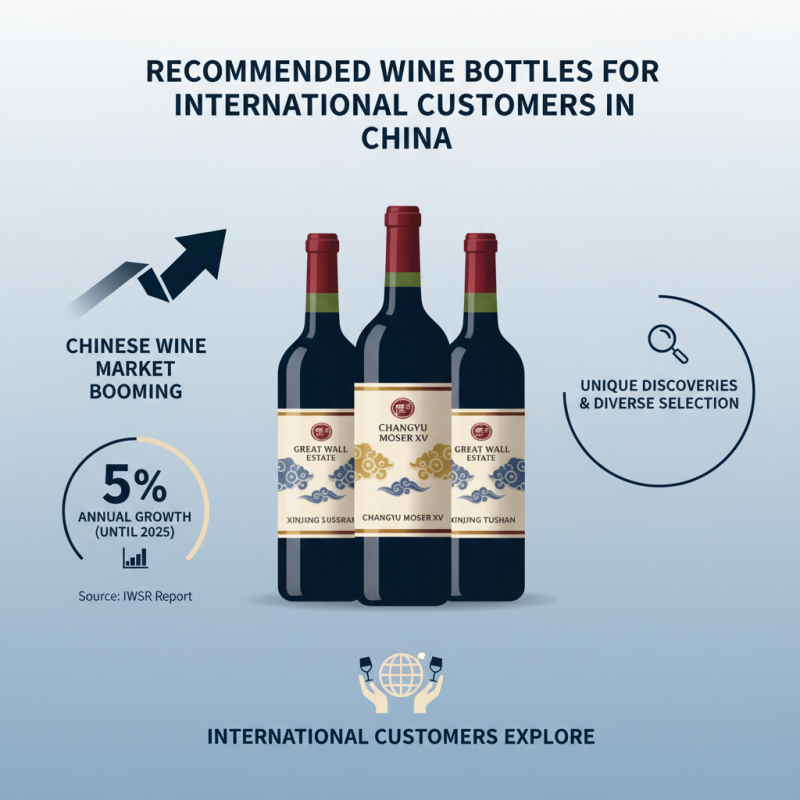
Best Wine Bottles to Buy in China for Global Buyers?
When exploring the world of wine, selecting the right wine bottles is crucial for global buyers, especially in China. Expert sommelier Julia Chen emphasizes, "The perfect wine bottle can transform an entire tasting experience." This statement resonates deeply as wine enthusiasts seek quality, value, and cultural significance in their selections.
China's wine market is diverse and rapidly growing, presenting unique opportunities. From elegant Bordeaux to rich Napa Valley selections, there is much to consider. With over 10 million wine drinkers in urban areas, understanding preferences becomes essential. Each wine bottle tells a story. The choice of labels, colors, and closures can reflect regional traditions and global trends.
However, the search for the best wine bottles isn't without challenges. Quality control varies widely in production. Buyers must be well-informed to avoid counterfeit brands. Informed decisions can enhance the tasting experience and provide a genuine glimpse into the winemaking heritage. It's a journey that requires both knowledge and intuition. Thus, navigating this intricate landscape can be a rewarding endeavor for global buyers in China.
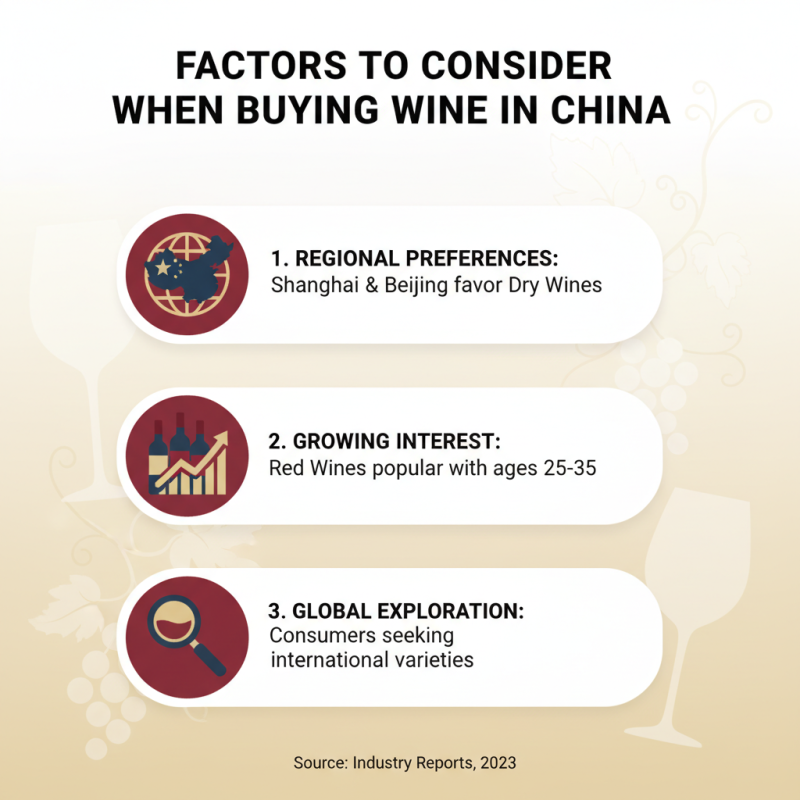
Factors to Consider When Buying Wine in China
When buying wine in China, several key factors should guide your decisions. Understanding regional preferences is essential. For instance, urban areas like Shanghai and Beijing often lean toward dry wines. Reports indicate a growing interest in red wines among Chinese consumers, particularly those aged 25-35, who are exploring global options. Knowing this can help in selecting appealing bottles.
Price is another crucial element. The average price for imported wines has seen a rise, with premium wines gaining popularity. Data from industry sources show that about 45% of buyers in China are willing to spend more on quality. This trend highlights the need to balance budget and quality when choosing wines.
Additionally, consider labeling and packaging. A significant portion of buyers makes decisions influenced by visual appeal. Some experts argue that marketing affects choice, but this isn't always reliable. It can lead to impulsive purchases. Understanding the wine's origin and production process fosters more informed decisions. Remembering these elements can enhance your wine-buying experience in China.
Top Regions in China for Producing Quality Wines
China's wine industry is rapidly gaining recognition, with several regions leading the way in quality production. The Ningxia Hui Autonomous Region stands out as a hotspot. Its unique climate and terroir create optimal conditions for grape growing. Here, vineyards thrive at high altitudes, allowing for cooler temperatures that result in well-balanced wines. The local winemakers are passionate and dedicated, eager to showcase their craftsmanship.
Shandong Province is another key area for wine production. This region benefits from a maritime climate, providing a suitable environment for grape varieties. Many wineries in Shandong employ modern techniques to enhance quality while respecting traditional practices. However, there are challenges, such as inconsistent weather patterns and the need for better vineyard management. This highlights the importance of adaptability in wine-making.
Lastly, the Xinjiang region offers a different but intriguing perspective on Chinese wines. Its vast landscapes and diverse microclimates allow for a wide range of grape varieties. However, fewer winemakers are located here, which can lead to uneven quality. With a growing interest in wine tourism, there is potential for improvement. Each region in China provides a unique flavor and style, yet all face their own set of opportunities and challenges.
Top Wine-Producing Regions in China
Popular Wine Varieties Sought by Global Buyers
When exploring the wine market in China, various popular wine varieties catch the attention of global buyers. Chinese consumers appreciate a broad range of wine options, from rich reds to crisp whites. Among these, dry reds hold a special place, particularly varietals like Cabernet Sauvignon and Merlot. Their flavors appeal to both local and international palates, making them top contenders.
In addition to reds, white wines are increasingly sought after. Sauvignon Blanc and Chardonnay are preferred for their refreshing qualities. Many regional producers focus on creating high-quality white wines that reflect the unique terroir of their vineyards. However, some buyers might be surprised by the price differences and varying tastes depending on the region. China's wine market is still developing, and not all varieties meet global expectations.
Sparkling wines and rosés are also gaining popularity. These options offer versatility in food pairings and celebrations. Nonetheless, potential buyers may encounter inconsistencies in quality across brands. This landscape presents an opportunity for buyers to delve into lesser-known labels and explore what’s available. Engaging with local producers can yield fascinating insights, but research and due diligence are essential.
Where to Purchase Quality Wines in China
When looking to purchase quality wines in China, consider various options. Local wine shops often offer a curated selection. Many cities boast specialty stores that focus on imported labels. These shops typically provide knowledgeable staff who can guide your choices. Farmers’ markets can also be a fruitful exploration. You may discover unique local wines that reflect the region’s distinct terroir.
Tips: Pay attention to wine storage. Proper conditions preserve quality. Look for temperature-controlled environments. It's also wise to check for customer reviews online before making a purchase. Don't shy away from asking questions. Engaging with wine sellers can enhance your understanding.
Online platforms are increasingly popular for wine purchases. They may provide a vast array of choices. However, ensure that you verify their reputation. Snagging a deal online can be a gamble, especially for unfamiliar wines. Always read descriptions thoroughly. This minimizes the chance of disappointment upon arrival.