Best Water Bottles for Everyday Use What Should You Consider?
Choosing the best water bottles for everyday use can be quite a challenge. With so many options available, how do you find the right one? It’s important to consider several factors that make a water bottle effective and user-friendly.
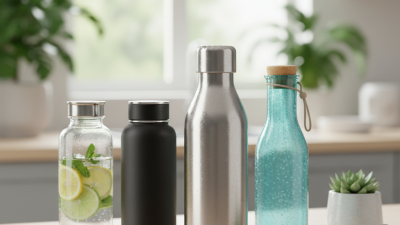
Material is key. Stainless steel and BPA-free plastic are popular choices. They offer durability and maintain the temperature of your drinks. You should look for bottles that are easy to clean as well. Features like wide mouths allow for filling and cleaning easily. Sometimes, aesthetics matter too. A stylish design might encourage you to drink more water.
Think about size and portability. A bottle that fits your lifestyle is crucial. If you are on the go, a compact option is usually better. Reflect on how often you'll refill it. A large capacity is great for hikes, but it adds weight.
Not every water bottle is perfect for everyone. Personal needs and preferences will always vary. Finding the right match may take time, but the right water bottle can enhance your daily hydration routine significantly.
Factors to Consider When Choosing the Right Water Bottle
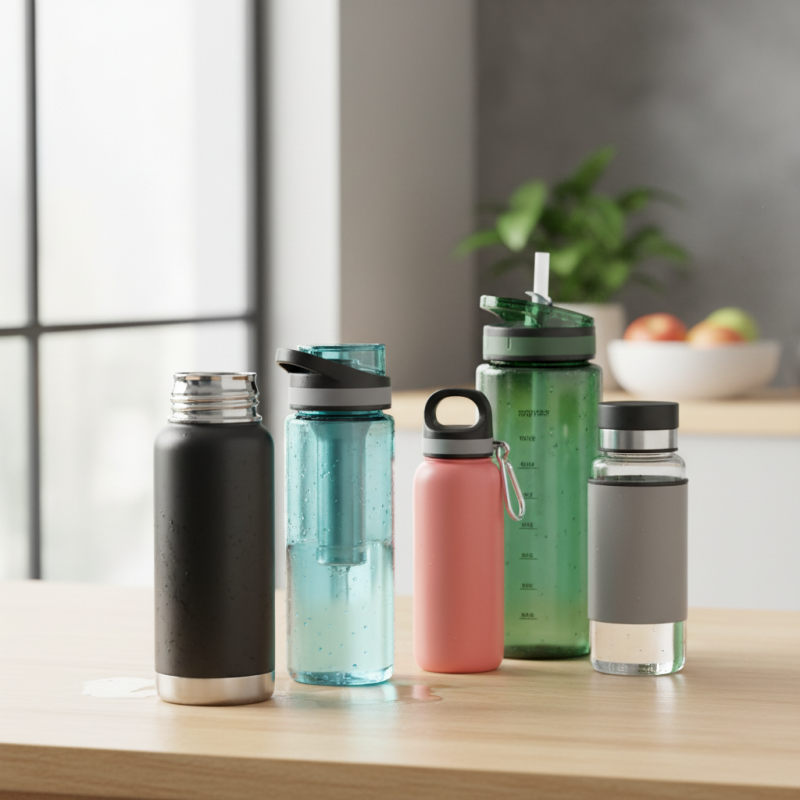
Choosing the right water bottle involves several important factors. Material is one of them. Stainless steel and BPA-free plastic are popular choices. Each material has its pros and cons. Stainless steel is durable and keeps drinks insulated. However, it can be heavier than plastic. Research shows that 61% of people prefer lightweight options for daily use.
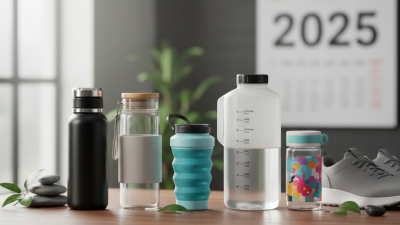
Next, consider the size. A typical adult needs about 2.7 liters of water daily. A 500ml bottle might not be enough for most people. On the other hand, a larger bottle can be cumbersome. Many users express frustration when bottles don’t fit in cup holders. Good designs come with measurements to track water intake easily.
Finally, think about the lid design. A reliable lid prevents leaks and spills. A flip-top or wide mouth can enhance usability. Many reports indicate that 34% of users are dissatisfied because of difficult-to-open lids. It’s essential to find a balance between ease of use and safety. A few users experience problems when opening during workouts. These reflections can guide better choices for everyday hydration.
Material Types and Their Impact on Health and Environment
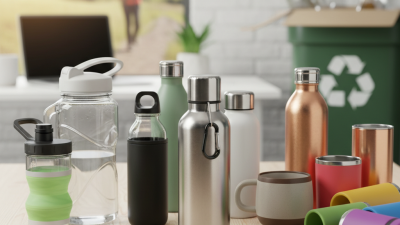
When choosing a water bottle for daily use, material types play a critical role in health and the environment. Plastic bottles are common but often come with concerns. Certain plastics can leach harmful chemicals into your water, especially when exposed to heat. This leaching poses potential health risks. Moreover, disposal of plastic bottles contributes significantly to pollution. They can take hundreds of years to decompose, harming ecosystems.
Glass bottles offer a safer alternative. They do not leach chemicals and often preserve the taste of the water better. However, they can be fragile. Dropping a glass bottle might lead to breakage, which is a concern for active lifestyles. Stainless steel is another fantastic option. It ensures durability while being lightweight. Some stainless steel options come with insulation, keeping your drink hot or cold for hours.
Choosing the right material is not just about personal preference. It affects your health and the planet. A shift away from single-use plastics requires conscious decisions. As consumers become more informed, understanding these choices helps foster a sustainable future. What material are you going to choose next?
Best Water Bottles for Everyday Use - Material Types and Their Impact on Health and Environment
| Material Type |
Health Impact |
Environmental Impact |
Durability |
Weight |
| Plastic (BPA-free) |
Low risk of leaching chemicals |
Recyclable but can contribute to plastic pollution |
Moderate |
Lightweight |
| Stainless Steel |
No chemical leaching, safe for long-term use |
Requires energy to produce, but recyclable |
High durability |
Moderate |
| Glass |
No leaching, completely safe |
Recyclable, low environmental impact |
Fragile, moderate durability |
Heavier |
| Aluminum (with interior coating) |
Risk of coating degradation |
Recyclable but mining impacts are significant |
High durability |
Lightweight |
Insulation Features for Temperature Retention in Water Bottles
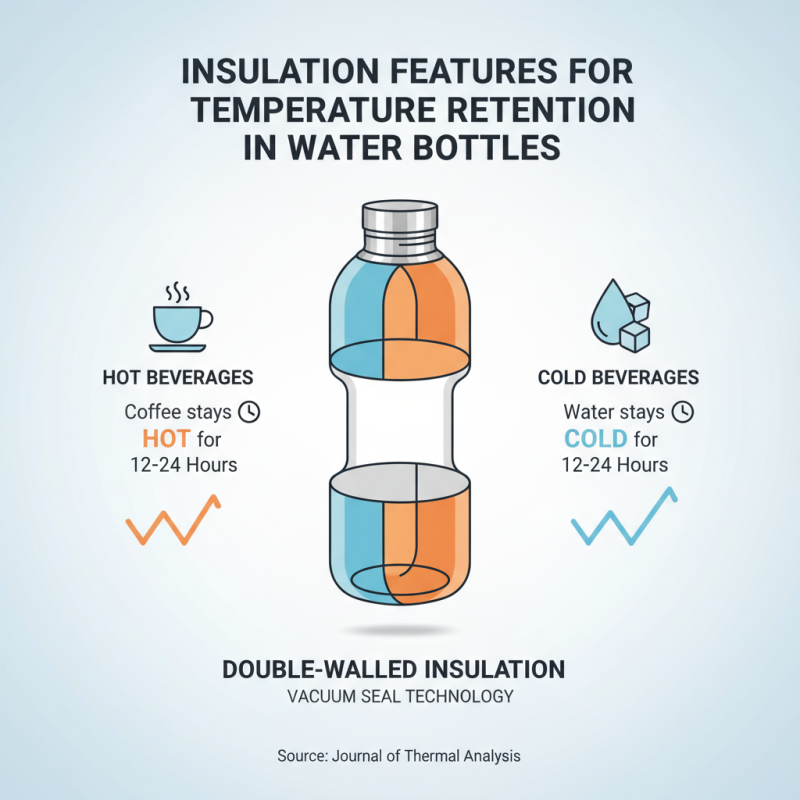
When selecting water bottles for everyday use, insulation features play a crucial role. Effective insulation can keep beverages hot or cold for extended periods. According to the Journal of Thermal Analysis, double-walled insulated bottles can retain temperature for 12 to 24 hours. This means that your coffee stays hot during your morning commute, while water remains cool at the gym.
Different types of insulation exist. Vacuum insulation is popular for its superior performance. It is effective in preventing heat transfer. Some models may rely on foam insulation, which can be less efficient over time. This variation in insulation technology can lead to temperature retention discrepancies. A report from the Beverage Packaging Association indicates that consumers often underestimate how insulation affects drink temperature.
Choosing a bottle with lasting insulation can mean the difference between enjoying refreshingly cold water or lukewarm beverages. An investment in quality can pay off in durability and performance. While affordability matters, the initial cost may raise questions about long-term benefits. Conducting thorough research can help consumers make informed decisions without falling into the trap of marketing gimmicks that prioritize aesthetics over functionality.
Design and Portability: Finding the Right Fit for Your Lifestyle
When selecting a water bottle for everyday use, design and portability are crucial elements. Many consumers favor insulated bottles for their ability to maintain temperature. A study shows that 70% of users prefer stainless steel models due to their durability. These bottles are not only stylish but also robust, making them ideal for active lifestyles.
Portability often hinges on size and weight. A bottle that holds more than 20 ounces may feel cumbersome. Many users opt for lightweight options under 500 grams. This encourages hydration while being easy to carry in a backpack or purse. Some bottles even come with built-in straps, enhancing transport convenience. However, it's essential to consider the balance between size and liquid capacity. Oversized bottles can deter users from hydration.
Another significant factor is the mouth opening. A wider opening can facilitate adding ice or cleaning but may lead to spills. In contrast, a narrower mouth can slow down drinking. Additionally, materials impact design choices. While BPA-free plastics are lightweight, they may lack the sturdiness of glass or steel. The challenge lies in finding a bottle that matches your lifestyle, encouraging you to drink enough water daily.