Best Oil Bottles for Wholesale Buyers Worldwide?
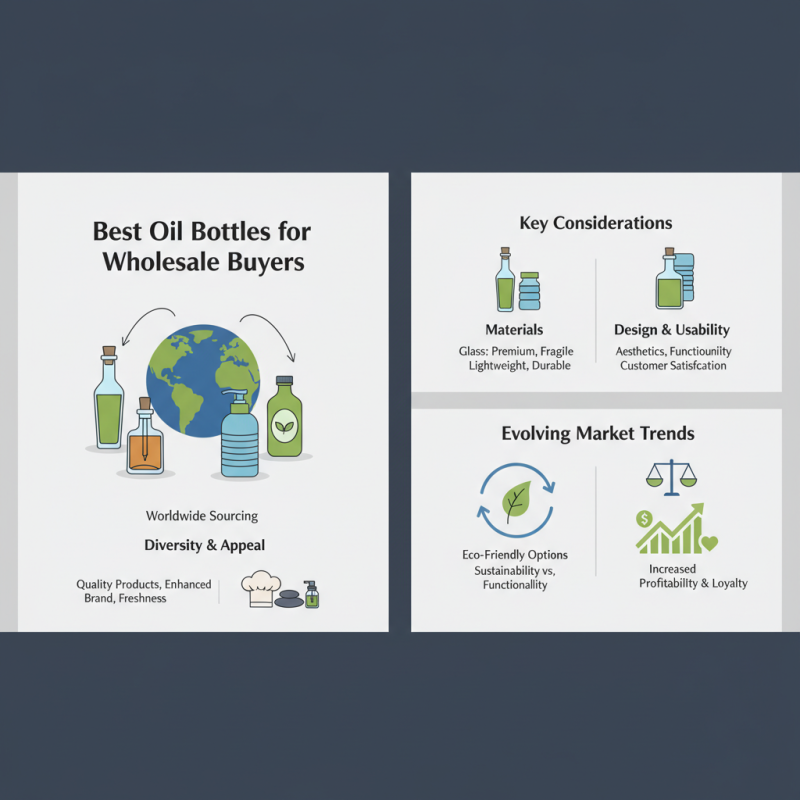
When it comes to sourcing quality products, oil bottles stand out as essential items for many wholesale buyers. The right packaging can enhance a brand's image and keep products fresh. Across the globe, various oil bottles are tailored for different uses, from culinary oils to essential oils. This diversity is appealing to wholesale buyers seeking unique products.
However, not all oil bottles are created equal. Buyers should consider materials, design, and usability. Glass bottles are popular for premium oils, while plastic offers lightweight convenience. Each type has its pros and cons, which can impact sales and customer satisfaction. Understanding these details can help buyers make informed choices.
As the market evolves, trends in oil bottle design continue to change. Eco-friendly options are gaining traction. Buyers face a challenge in balancing sustainability with functionality. Reflecting on the implications of their choices is crucial. Investing in high-quality oil bottles can lead to better customer loyalty and increased profitability in the long run.
Best Oil Bottles Available for Wholesale Purchasing Globally
When selecting oil bottles for wholesale purchasing globally, variety is essential. Buyers often seek options that cater to diverse needs. Consider sizes ranging from small containers to larger bulk options. The right choice can enhance the user experience significantly.
Durability is another key factor. A well-designed bottle can withstand transportation and storage stresses. Glass and premium plastic options provide varying levels of protection. Pay attention to the ease of pouring, sealing, and labeling. These details can make a substantial difference for end consumers.
However, not all suppliers are equal. Some might prioritize price over quality, leading to unsatisfactory products. Researching and establishing trustworthy relationships is vital. Consider visiting trade shows for firsthand experience with products. This effort can guide you toward making informed decisions. An oil bottle should not just be functional but also appealing to your target market.
Key Features to Look for in Oil Bottles for Wholesale Buyers
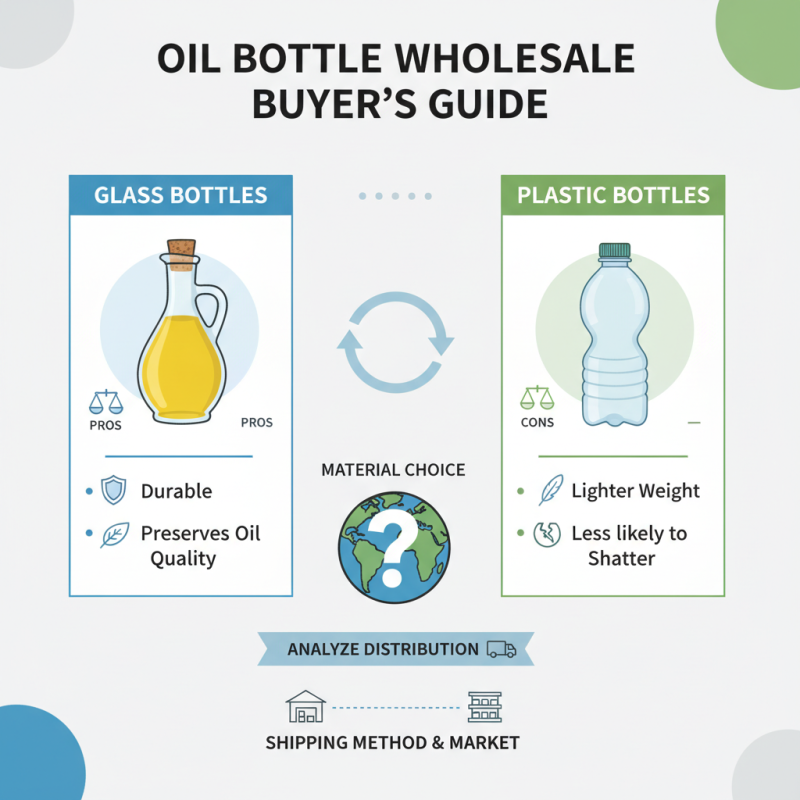
When selecting oil bottles for wholesale, buyers should focus on key features. First, consider the material. Glass is durable and preserves oil quality. However, plastic options are lighter and less likely to shatter. Each material has pros and cons. Analyze your distribution method to choose wisely.
Next, assess the bottle design. A well-designed spout can prevent spills. Look for bottles with easy pour features. Other elements to consider include the size. Smaller bottles may be suitable for retail, while larger containers cater to bulk customers. The label area is crucial too. Clear, ample space for branding is essential.
Finally, think about safety. Bottles must meet industry standards. There should be no risk of contamination. Evaluate suppliers for their quality control processes. It’s vital to ensure reliability. Research their track record, as good quality leads to satisfied customers. Balancing these features will help buyers make informed decisions.
Comparative Analysis of Different Oil Bottle Materials
When considering oil bottles for wholesale, material choice plays a crucial role. Glass, plastic, and metal are the primary options available. Each material has distinct advantages and disadvantages. A report by Smithers Pira indicates that glass bottles maintain oil freshness and flavor better than their plastic counterparts. However, glass is heavier and more fragile.
Plastic bottles are lighter and shatter-resistant. Yet, concerns about long-term chemical leaching persist. According to the European Packaging Institute, 45% of consumers prefer glass for food and oil packaging. This preference highlights the importance of material selection for brand image. Metal bottles, while robust, can affect taste.
Wholesale buyers face tough decisions. The choice impacts customer satisfaction and operational costs. A study showed that products packaged in perceived higher-quality materials can command a 30% premium. Therefore, understanding the strengths and weaknesses of each material is vital for success. The market demands balance between cost and consumer expectations. A thorough analysis could aid in making informed sourcing decisions.
Best Oil Bottles for Wholesale Buyers Worldwide
Top Manufacturers and Suppliers of Wholesale Oil Bottles
The global oil bottle market is evolving rapidly. According to a recent report by Research and Markets, the industry is projected to grow at a CAGR of 5.4% from 2022 to 2028. This growth is driven by rising demand for packaging solutions that meet sustainability standards. Wholesale buyers must identify top manufacturers and suppliers to capitalize on this trend.
Several factors influence the selection of oil bottles. Quality, durability, and eco-friendliness are paramount. For example, glass bottles are often preferred due to their inert properties. They don't react with oils, ensuring product integrity. Meanwhile, plastic options may offer lighter weight and lower cost but can raise concerns about recycling.
Tips for buyers include evaluating suppliers based on their production capabilities. Look for manufacturers that adhere to ISO standards. Additionally, assess their commitment to sustainability. Don't hesitate to request samples. Testing products before committing to bulk orders can prevent costly mistakes.
Consider sourcing from suppliers with track records of reliability. Diversifying your options can also mitigate risks. Keep an eye on industry trends; preferences can shift quickly. Stay informed, as changes in consumer behavior can influence your purchasing decisions.
Popular Oil Bottle Designs and Their Market Demand
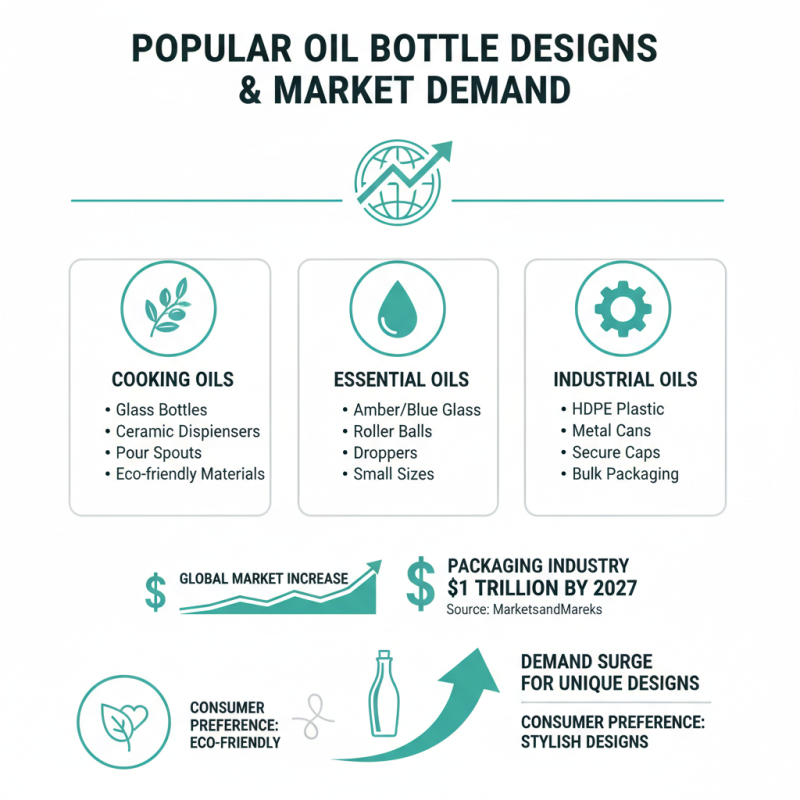
The demand for oil bottles has significantly increased in the global market. Various designs cater to different oil types, such as cooking, essential, and industrial oils. A report by MarketsandMarkets highlights that the packaging industry is projected to reach $1 trillion by 2027. Consumers prefer eco-friendly and stylish designs, resulting in a surge in demand for unique oil bottles.
Popular designs include glass bottles with ergonomic shapes for better handling. They often feature airtight lids to preserve oil quality. Research shows that over 55% of consumers choose packaging that reflects environmental consciousness. This trend is crucial for wholesale buyers looking to align with market expectations. However, the actual availability sometimes does not meet this growing demand, leading to missed opportunities for suppliers.
Some designs showcase vibrant colors to attract customer attention while others focus on functionality. The balance between aesthetics and practicality can be challenging. A recent study indicated that 30% of buyers express dissatisfaction with design choices. This gap presents an opportunity for innovation in the oil bottle sector. Addressing these design concerns can enhance customer satisfaction and drive sales growth.