2026 Best Jam Jars for Global Buyers to Consider?
In the ever-evolving world of food packaging, jam jars have become a focal point for both manufacturers and consumers. According to industry reports, the jam jar market is projected to grow at a CAGR of 4.5% from 2023 to 2028. This growth indicates a rising demand for quality packaging that preserves flavor and offers convenience.
Jam jars are not merely containers; they are essential for maintaining product integrity. A study by Packaging Strategies highlights that 78% of consumers prefer recyclable materials. This emphasizes the need for sustainable options in jam jar production. Consumers are more aware of environmental impacts and expect brands to adapt.
However, selecting the right jam jars can be challenging. Not all jars are created equal, and factors like glass thickness, seal quality, and lid types can significantly affect shelf life. Buyers must consider these details to avoid wastage. Finding the perfect balance between aesthetics and functionality is crucial. With an array of choices available, the quest for the best jam jars is more intricate than it appears.
Factors to Consider When Choosing Jam Jars for Global Distribution
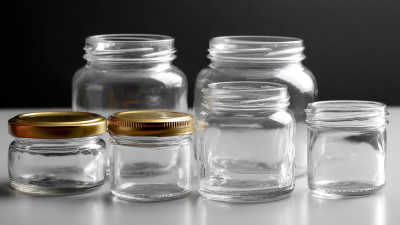
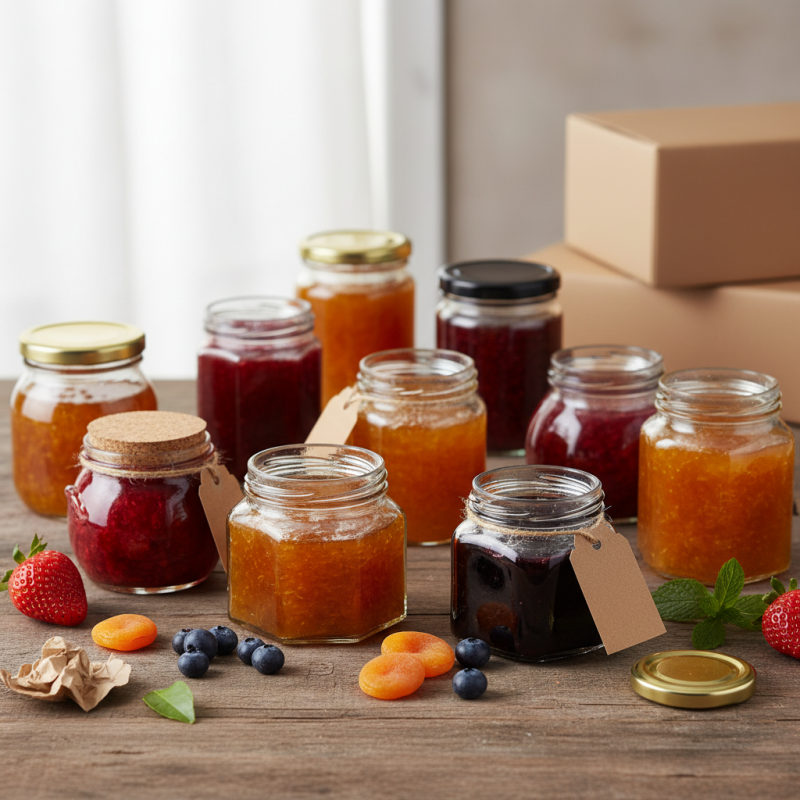
When selecting jam jars for global distribution, several crucial factors come into play. The jar size is a fundamental choice. Smaller jars are ideal for personal use while larger options cater to families or commercial needs. Evaluate your target market. Different regions may prefer different sizes based on consumption habits.
Packaging is another essential consideration. Glass jars provide a classic appeal and are generally more sustainable. However, for transport and weight efficiency, some might consider plastic jars. It’s vital to balance aesthetics and functionality. Ensure that your packaging can withstand long shipping durations without compromising the product.
Tips: Always conduct market research to understand regional preferences. This can guide your choice of jar design and material. Don’t overlook labeling; clear, attractive labels can enhance product visibility. Lastly, keep sustainability in mind. Eco-friendly materials could appeal to environmentally conscious consumers. Reflect on these aspects carefully before making decisions. Your packaging could significantly affect your brand’s reputation and sales potential.
2026 Best Jam Jars for Global Buyers
Top Materials Used in Making Quality Jam Jars for Export
When considering jam jars for global trade, the choice of materials significantly impacts quality. Many experts recommend glass jars due to their non-reactive nature. According to industry reports, glass accounts for 70% of the premium jar market. It does not alter the taste or color of the jams. However, it is essential to consider weight and fragility. Shipping glass jars can lead to higher damage rates.
Plastic jars are another viable option. They are lightweight and less prone to breakage. However, the quality must be scrutinized. Research shows that low-grade plastics can leach harmful chemicals over time. Buyers should look for BPA-free options, as safety is paramount. Yet, there is ongoing debate about the shelf life of products in plastic versus glass.
Metal jars, less common but valuable, offer distinct benefits. They provide excellent sealing properties, which preserve freshness. Studies have indicated that metal containers can extend shelf life by up to 30%. However, aesthetic appeal often suffers. This can impact consumer purchases, especially in an era when presentation is key. Understanding these materials' pros and cons can lead to more informed choices in the jam jar market.
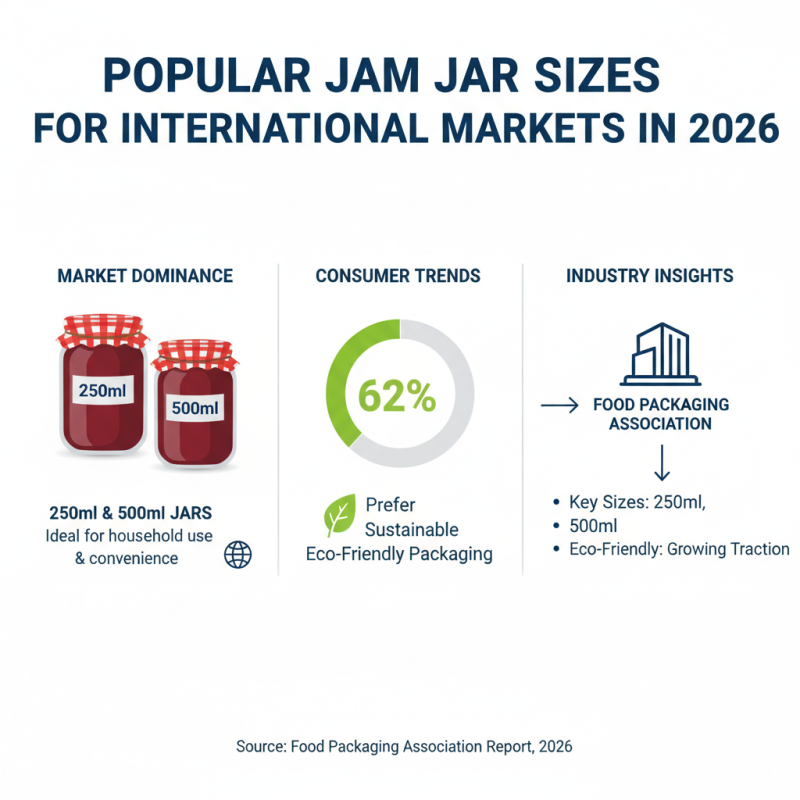
Popular Jam Jar Sizes for International Markets in 2026
When selecting jam jars for international markets in 2026, various sizes cater to global buyer preferences. Reports from the Food Packaging Association indicate that the 250ml and 500ml jars dominate the market. These sizes are ideal for household use and appealing to consumers looking for convenience. Furthermore, trend analysis shows that eco-friendly packaging is gaining traction, with 62% of consumers preferring sustainable options.
In addition, 1-liter jars are popular for gourmet and artisanal products. They cater to larger families or those seeking bulk purchases. However, it’s vital to recognize the potential pitfalls. Not all markets have the same preferences. Testing in specific regions can provide insight into what sizes resonate best.
Tips: Always research local consumer behavior. Aim to understand which jar sizes align with cultural dining habits. Collaborating with regional distributors can provide valuable data. This approach can prevent costly inventory miscalculations. Consider balance when designing packaging. The visual appeal can drive sales, but sustainability should never be overlooked.
Innovative Design Trends in Jam Jars for Global Buyers
The world of jam jars is evolving. Creative designs are now at the forefront, catering to global buyers. Unique shapes and vibrant colors have become essential. Many consumers seek jars that not only store but also display. An eye-catching jar can elevate the entire dining experience.
Sustainable materials are gaining popularity. Glass, bamboo, and recycled plastics are being utilized more than ever. Buyers appreciate the effort made towards eco-friendliness. Yet, some designs may not balance form and function effectively. A jar might look stunning but fail in sealing properly. This aspect is vital for preserving freshness.
Labeling and personalization have also taken center stage. Customizable labels allow buyers to express their creativity. A personal touch can enhance the emotional connection to the product. However, clear information on ingredients and allergens is crucial. Sloppy labels can lead to misunderstandings. Striking the right balance between aesthetics and information is vital.
Sustainable Packaging Options for Jam Jars in Today's Market
Sustainable packaging is crucial in today’s market for jam jars. As consumers become more environmentally conscious, the demand for eco-friendly options has skyrocketed. According to a 2022 report by EcoPackaging Insights, 75% of consumers prefer products with sustainable packaging. This shift presents both challenges and opportunities for jam producers.
Glass jars remain a popular choice due to their recyclability. They are inert and do not alter the flavor of the product. However, glass can be heavy and costly, impacting shipping costs. Manufacturers are exploring alternative materials, like biodegradable plastics and compostable materials. These options are not yet universally accepted. Their performance and safety in preserving food are still debated.
Innovations in packaging technology are emerging. Some companies are investing in smart packaging solutions that provide freshness indicators. This creates a more engaging experience for consumers. Yet, the effectiveness of such solutions varies. The balance between functionality and sustainability is not easy to achieve. Producers must continually assess their choices and adapt to changing regulations and consumer preferences.
2026 Best Jam Jars for Global Buyers to Consider? - Sustainable Packaging Options for Jam Jars in Today's Market
| Jar Type |
Material |
Capacity (ml) |
Sustainability Rating |
Price Range (USD) |
| Classic Glass Jar |
Glass |
250 |
A |
2.50 - 4.00 |
| Eco-Friendly Plastic Jar |
RPET |
350 |
B |
1.50 - 3.00 |
| Recycled Glass Jar |
Recycled Glass |
500 |
A+ |
3.00 - 5.50 |
| Biodegradable Jar |
PLA |
300 |
A |
2.00 - 4.50 |
| Mason Jar |
Glass |
400 |
A |
3.00 - 6.00 |