2026 Top Trends in Sauce Bottles What to Expect?
In the ever-evolving world of "Sauce Bottles," staying ahead of trends is crucial. Industry expert Sarah Chen emphasizes, "Innovation in packaging can redefine customer experience." As we approach 2026, several key trends are surfacing. Consumers are seeking not only functionality but also sustainability in their choices.
The rising demand for eco-friendly materials is shaping the future of sauce bottles. Many brands are exploring biodegradable options, reducing their carbon footprint. A noteworthy detail is the incorporation of smart technologies in packaging. Interactive labels can engage consumers and create a deeper connection with the brand.
However, challenges remain. Not all manufacturers can afford advanced production methods. Additionally, customer expectations are continuously shifting, making it hard to predict future preferences. The sauce bottles industry stands at a crossroads, needing to adapt and innovate to thrive.
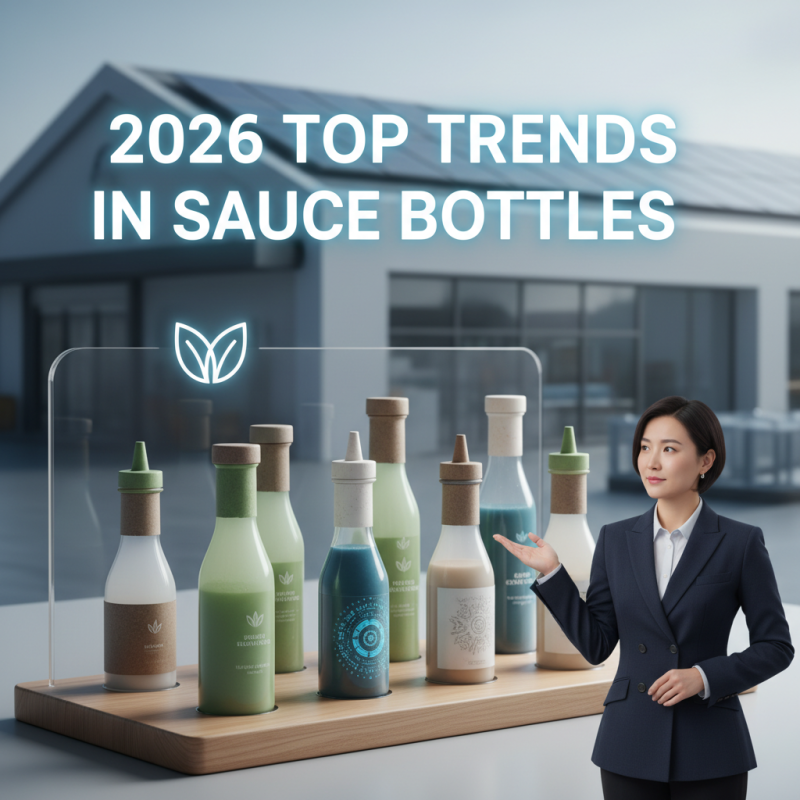
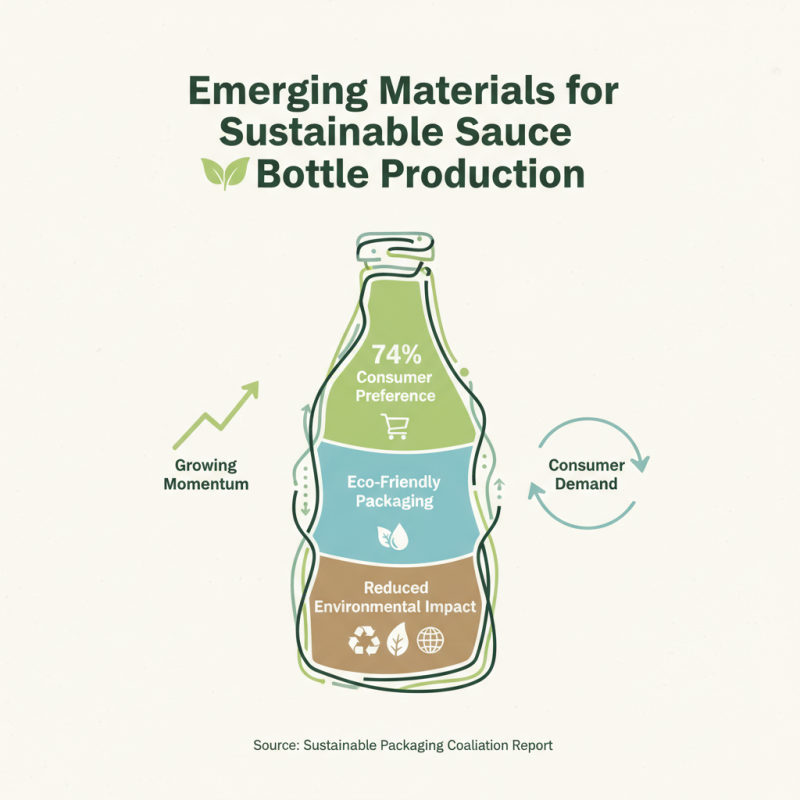
Emerging Materials for Sustainable Sauce Bottle Production
The trend towards sustainable materials in sauce bottle production is gaining momentum. A recent report from the Sustainable Packaging Coalition indicates that up to 74% of consumers prefer eco-friendly packaging. This shift reflects growing environmental awareness and consumer demands for sustainable alternatives.
Emerging materials like biodegradable plastics and recycled glass are becoming popular. For instance, recent studies show that bioplastics can reduce carbon emissions by up to 60% compared to traditional plastic. This transition is essential as the global focus on reducing plastic waste intensifies.
However, challenges remain in scaling these materials for mass production. Many manufacturers have yet to adapt their processes, resulting in limited availability. Consumer acceptance also varies, as biodegradable options sometimes face skepticism regarding their effectiveness. The journey towards fully sustainable sauce bottles is complex and requires ongoing innovation and adaptation in the industry.
Innovative Design Trends in Sauce Bottle Engineering
The landscape of sauce bottles is evolving. Innovative design trends focus on user experience and sustainability. Engineers are redesigning bottles to enhance functionality while minimizing environmental impact. Materials are shifting towards biodegradable and recyclable options. This reflects a growing consumer preference for eco-friendly packaging.
A notable trend is the incorporation of smart technology. Sensors in bottle caps can indicate freshness or monitor usage. This can reduce waste and improve food safety. However, integrating technology poses challenges. How do manufacturers ensure user-friendliness? Achieving a balance is essential.
Ergonomics is another area of focus. Bottles must be easy to hold and pour. New shapes are being tested to improve grip and control. This is crucial for users who want precision while cooking. However, some designs may not perform well across all sauces. Feedback loops will be necessary for continued improvement. The future of sauce bottles looks promising, but there are hurdles to overcome.
Consumer Preferences Shaping Sauce Bottle Aesthetics
Consumer preferences are significantly shaping the aesthetics of sauce bottles. Modern consumers are increasingly drawn to designs that tell a story. A recent survey revealed that 72% of consumers value packaging that reflects authenticity. They want to connect with products on a personal level. As a result, restaurants and manufacturers are moving toward glass bottles, emphasizing a premium feel. The tactile interaction with glass is often associated with quality.
Additionally, eco-friendly materials are gaining traction. According to a report from the Sustainable Packaging Coalition, around 63% of consumers prefer packaging made from recyclable materials. This trend encourages brands to innovate in both design and sustainability. Packaging made from biodegradable options can attract environmentally conscious buyers. However, it is essential to balance aesthetics and functionality. Many designs may look appealing but may not adequately preserve the product.
As trends evolve, the challenge lies in addressing consumer feedback. Many designs face criticism for being difficult to use. User experience remains a crucial factor. Aesthetically pleasing bottle shapes might create difficulty in pouring and storage. Brands must reflect on how aesthetics can coexist with practicality. This balance will define the future landscape of sauce bottles in the market.
Technological Advances in Sauce Bottle Cap and Dispensing Systems
The sauce bottle industry is evolving rapidly. Technology plays a crucial role in enhancing user experience. Innovations in cap and dispensing systems make sauces easier to use. For instance, advancements in no-drip designs eliminate mess during pouring. Studies show that 75% of consumers prefer squeeze bottles for convenience. This preference is reshaping how manufacturers design their products.
New materials also contribute to modern sauce bottles. Biodegradable plastics and smart caps are gaining traction. Reports indicate a 20% increase in demand for eco-friendly packaging. Smart caps can track freshness and usage through integrated sensors. These innovations not only attract consumers but also address environmental concerns.
However, the shift to advanced systems brings challenges. Higher production costs can deter smaller manufacturers. Maintaining a balance between innovation and affordability is critical. Rethinking how to incorporate technology without alienating price-sensitive buyers is essential. As the industry grows, continuous evaluation of these technological trends will shape its future.
Impact of E-commerce on Sauce Bottle Packaging Solutions
E-commerce continues to reshape many industries, and sauce bottle packaging is no exception. With online shopping booming, consumers demand convenience and sustainability in packaging. As companies adapt, innovative designs are emerging. Transparent bottles are gaining popularity as they showcase product quality. Attractive labeling has become crucial; it helps grab attention in crowded online marketplaces.
Tip: Ensure your packaging stands out. Eye-catching designs encourage online purchases.
Sustainability is at the forefront of customers' minds. Eco-friendly materials are no longer optional; they are essential. Consumers prefer biodegradable options, and brands must prioritize this shift. However, balancing sustainability with costs remains a challenge. Many companies struggle to find suitable materials that are both affordable and eco-conscious. This area may see frequent changes in the coming years.
Tip: Explore recyclable materials to improve your packaging's environmental impact.
Lastly, user experience is vital. Consider how customers will interact with the packaging once it arrives. Easy opening features, for instance, enhance satisfaction. Packaging that offers utility beyond its initial use also resonates well with consumers. However, brands must not overlook the importance of protective elements to prevent damage during shipping. The pursuit of perfect packaging is ongoing, with many lessons still to learn.
2026 Top Trends in Sauce Bottles What to Expect? - Impact of E-commerce on Sauce Bottle Packaging Solutions
| Trend |
Description |
Impact on E-commerce |
Market Adoption Rate (%) |
| Sustainable Materials |
Growing preference for eco-friendly packaging solutions. |
Enhances brand image and attracts eco-conscious consumers. |
65% |
| Smart Packaging |
Incorporation of technology for tracking and freshness indicators. |
Improves customer trust and reduces returns. |
45% |
| Customizable Packaging |
Allowing consumers to personalize sauce bottles. |
Increases engagement and boosts sales through uniqueness. |
35% |
| Refillable Options |
Promoting sustainability through reusable containers. |
Reduces shipping costs and waste, appealing to environmentally conscious shoppers. |
50% |
| Minimalist Design |
Simplicity in aesthetics focusing on brand messaging. |
Enhances online visibility and ease of recognition. |
60% |